400-885-9898


职位描述
策略工程师
1. Test Strategic Planning and Direction Control
Formulate a future test strategy for autonomous driving by integrating system architecture development experience and clarify the 3-5-year test technology development direction based on in-depth analysis of technological trends, policies/regulations, and market demands in the autonomous driving industry. From a system architecture perspective, predict the testing strategy requirements brought by the iteration of intelligent driving systems, proactively lay out testing technologies and solutions, and ensure that testing strategies match the evolution of system architectures, with particular emphasis on the positioning and planning of simulation testing in the overall strategy.
2. Test System Construction and Optimization
Lead the establishment of a full-lifecycle testing system for intelligent driving, including simulation testing, hardware-in-the-loop testing, real-vehicle road testing, and other links, and optimize the connection logic of each link by leveraging system architecture development experience. Establish intelligent testing evaluation standards, design test indicators according to system architecture characteristics, ensure that test results accurately reflect system performance and potential risks, and improve testing effectiveness and efficiency. Focus on improving the processes and specifications of simulation testing in the entire testing system to enhance the coverage and accuracy of simulation testing.
3.Simulation Platform Development and Management
With system architecture development experience, lead the requirements analysis, architecture design, and functional development of intelligent driving simulation platforms to ensure the platforms have high scalability and stability. Continuously optimize simulation platform performance, enhance the realism and complexity of simulation scenarios, and achieve comprehensive simulation testing of modules such as perception, decision-making, and control in intelligent driving systems. Be responsible for the integration and docking of simulation platforms with other testing tools and systems, unblock data circulation channels, and build an integrated testing environment.
4.Simulation Test Scenario Construction and Optimization
Design and build a simulation test case library covering all scenarios of intelligent driving, including conventional road scenarios, extreme weather scenarios, complex traffic scenarios, etc., and use system architecture knowledge to manage scenarios in a hierarchical and categorized manner. Utilize data-driven and AI technologies to analyze actual road test data and publicly available industry data, mine potentially dangerous scenarios, and continuously update and optimize the simulation test scenario library to enhance the simulation testing capability of mimicking the real world.
5.Resource Integration and Collaborative Promotion
Integrate internal and external resources to promote the R&D and upgrading of intelligent driving testing platforms and toolchains and put forward requirements for testing platform functions and performance based on system architecture development experience. Coordinate multiple departments such as R&D, testing, and algorithms to promote the deep integration of testing strategies with system development processes and ensure the effective implementation and execution of testing strategies in projects. Particularly strengthen cooperation with algorithm teams to ensure that simulation testing can provide effective feedback for algorithm optimization.
6.Technological Innovation and Team Empowerment
Explore new technologies and methods for intelligent driving testing, such as virtual-scenario-based automated testing and AI-assisted testing and evaluate technological feasibility and application value by combining system architecture development experience. Provide technical guidance to testing teams, share system architecture knowledge and testing strategy formulation ideas, and improve the overall technical level and strategy formulation capabilities of the team. Regularly organize technical seminars and experience sharing on simulation testing to promote technological innovation in the field of simulation testing within the team.
• Bachelors Degree in automobile engineering, electric engineering, software engineering, machine learning, or similar majors, Master Degree preferred
• At least 8 years working experience in the ADAS system verification & validation and simulation solution(SiL/HiL,etc.) relevant areas
• Experience of OEM and Tier1 on ADAS development processes and development cycles, has 1 full project development cycle preferred
• Deep knowledge in ADAS system architecture on big model solution
• Deep knowledge in ADAS system verification & validation processes considering manual and automated testing
• Deep knowledge in ADAS simulation solution and digital twins trend for automobile industry
• Excellent project management skills and problems solving skills
• Excellent communication and organizational skills
• Team player with open-minded work attitude and ability to adapt to new situations
• Good command of spoken and written Chinese and English (German as a plus)
Formulate a future test strategy for autonomous driving by integrating system architecture development experience and clarify the 3-5-year test technology development direction based on in-depth analysis of technological trends, policies/regulations, and market demands in the autonomous driving industry. From a system architecture perspective, predict the testing strategy requirements brought by the iteration of intelligent driving systems, proactively lay out testing technologies and solutions, and ensure that testing strategies match the evolution of system architectures, with particular emphasis on the positioning and planning of simulation testing in the overall strategy.
2. Test System Construction and Optimization
Lead the establishment of a full-lifecycle testing system for intelligent driving, including simulation testing, hardware-in-the-loop testing, real-vehicle road testing, and other links, and optimize the connection logic of each link by leveraging system architecture development experience. Establish intelligent testing evaluation standards, design test indicators according to system architecture characteristics, ensure that test results accurately reflect system performance and potential risks, and improve testing effectiveness and efficiency. Focus on improving the processes and specifications of simulation testing in the entire testing system to enhance the coverage and accuracy of simulation testing.
3.Simulation Platform Development and Management
With system architecture development experience, lead the requirements analysis, architecture design, and functional development of intelligent driving simulation platforms to ensure the platforms have high scalability and stability. Continuously optimize simulation platform performance, enhance the realism and complexity of simulation scenarios, and achieve comprehensive simulation testing of modules such as perception, decision-making, and control in intelligent driving systems. Be responsible for the integration and docking of simulation platforms with other testing tools and systems, unblock data circulation channels, and build an integrated testing environment.
4.Simulation Test Scenario Construction and Optimization
Design and build a simulation test case library covering all scenarios of intelligent driving, including conventional road scenarios, extreme weather scenarios, complex traffic scenarios, etc., and use system architecture knowledge to manage scenarios in a hierarchical and categorized manner. Utilize data-driven and AI technologies to analyze actual road test data and publicly available industry data, mine potentially dangerous scenarios, and continuously update and optimize the simulation test scenario library to enhance the simulation testing capability of mimicking the real world.
5.Resource Integration and Collaborative Promotion
Integrate internal and external resources to promote the R&D and upgrading of intelligent driving testing platforms and toolchains and put forward requirements for testing platform functions and performance based on system architecture development experience. Coordinate multiple departments such as R&D, testing, and algorithms to promote the deep integration of testing strategies with system development processes and ensure the effective implementation and execution of testing strategies in projects. Particularly strengthen cooperation with algorithm teams to ensure that simulation testing can provide effective feedback for algorithm optimization.
6.Technological Innovation and Team Empowerment
Explore new technologies and methods for intelligent driving testing, such as virtual-scenario-based automated testing and AI-assisted testing and evaluate technological feasibility and application value by combining system architecture development experience. Provide technical guidance to testing teams, share system architecture knowledge and testing strategy formulation ideas, and improve the overall technical level and strategy formulation capabilities of the team. Regularly organize technical seminars and experience sharing on simulation testing to promote technological innovation in the field of simulation testing within the team.
• Bachelors Degree in automobile engineering, electric engineering, software engineering, machine learning, or similar majors, Master Degree preferred
• At least 8 years working experience in the ADAS system verification & validation and simulation solution(SiL/HiL,etc.) relevant areas
• Experience of OEM and Tier1 on ADAS development processes and development cycles, has 1 full project development cycle preferred
• Deep knowledge in ADAS system architecture on big model solution
• Deep knowledge in ADAS system verification & validation processes considering manual and automated testing
• Deep knowledge in ADAS simulation solution and digital twins trend for automobile industry
• Excellent project management skills and problems solving skills
• Excellent communication and organizational skills
• Team player with open-minded work attitude and ability to adapt to new situations
• Good command of spoken and written Chinese and English (German as a plus)
工作地点
上海浦东新区金鼎星驰商务大厦

相似职位
上海 - 浦东
 梅赛德斯一奔驰(中国)投资有限公司
- 主动服务流程体验岗1.6-2.5万
上海 - 静安
 中邮智行汽车科技(上海)有限公司
 - 车联网工程师2.8-5.5万
上海 - 浦东
 苏州人瑞普惠人力资源服务有限公司
 - 车载网络测试工程师1.5-2万
上海 - 浦东
 软通动力信息技术(集团)股份有限公司
 - Java车联网后端开发工程师2-2.5万
上海 - 静安
 北京永生鼎立信息技术有限公司
 - 汽车诊断设计开发工程师1.8-2.5万
上海 - 浦东
软通动力信息技术(集团)股份有限公司
热门公司推荐
- 霸王茶姬招聘
- 肯德基招聘
- 顺丰招聘
- 美团招聘
- 京东招聘
- 饿了么招聘
- 比亚迪招聘
- 中国一汽招聘
- 北京汽车招聘
- 蔚来招聘
- 东风汽车招聘
- 长城汽车招聘
- 奇瑞汽车招聘
- 理想汽车招聘
- 长鑫存储招聘
- 天江药业招聘
- 蓝月亮招聘
- 安踏招聘
- TCL招聘
- 海信招聘
- 联想招聘
- 海康威视招聘
- 宁德时代招聘
- 中兴招聘
- 新松招聘
- 京东方招聘
- 申通招聘
- 圆通招聘
- 中通招聘
- 百世物流招聘
- 德邦物流招聘
- 麦当劳招聘
- 星巴克招聘
- 海底捞招聘
- 蜜雪冰城招聘
- 瑞幸招聘
- 雀巢招聘
- 腾讯招聘
- 百度招聘
- 快手招聘
- 字节跳动招聘
- 新华网招聘
- 小米招聘
- 招商银行招聘
- 中信银行招聘
- 北京银行招聘
- 兴业银行招聘
- 交通银行招聘
- 建发集团招聘
- 中国移动招聘
- 中国联通招聘
- 中国电信招聘
- 中粮集团招聘
- 国药控股招聘
- 中广核招聘
- 中国船舶招聘
- 强生中国招聘
- 汇丰中国招聘
- 宜家招聘
- 立邦中国招聘
- 伊利招聘
- 青岛啤酒招聘
- 京港地铁招聘
- 宝马招聘
- 小鹏汽车招聘
- 华为招聘
- 特斯拉招聘
- 吉利招聘
- 奔驰招聘
- 海尔招聘
- 美的招聘
- 京东方招聘
- 施耐德电气招聘
- 德邦物流招聘
职位发布者
吴女士/HRM
刚刚活跃立即沟通
 梅赛德斯一奔驰(中国)投资有限公司
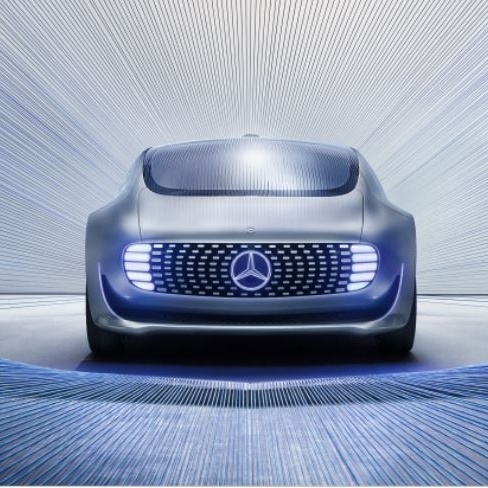
Mercedes-Benz Group at a glance Mercedes-Benz Group AG is one of the world's most successful automotive companies. With Mercedes-Benz AG, the Group is one of the leading global suppliers of premium and luxury cars and vans. Mercedes-Benz Mobility AG offers financing, leasing, car subscription and car rental, fleet management, digital services for charging and payment, insurance brokerage, as well as innovative mobility services. The company founders, Gottlieb Daimler and Carl Benz, made history by inventing the automobile in 1886. As a pioneer of automotive engineering, Mercedes-Benz sees shaping the future of mobility in a safe and sustainable way as both a motivation and obligation. The company's focus therefore remains on innovative and green technologies as well as on safe and superior vehicles that both captivate and inspire. Mercedes-Benz continues to invest systematically in the development of efficient powertrains and sets the course for an all-electric future: The brand with the three-pointed star pursues the goal to go all-electric, where market conditions allow. Shifting from electric-first to electric-only, the world’s pre-eminent luxury car company is accelerating toward an emissions-free and software-driven future. The company's efforts are also focused on the intelligent connectivity of its vehicles, autonomous driving and new mobility concepts as Mercedes-Benz regards it as its aspiration and obligation to live up to its responsibility to society and the environment.关于梅赛德斯-奔驰集团股份公司梅赛德斯-奔驰集团股份公司是一家享誉全球的汽车企业,集团通过梅赛德斯-奔驰股份公司提供豪华乘用车及轻型商务车产品;同时通过梅赛德斯-奔驰出行股份公司提供金融、租赁、汽车订阅及短期租赁服务、车队管理,充电及支付相关的数字化服务、保险经纪和其他创新出行服务。1886年,梅赛德斯-奔驰集团的两位创始人戈特利布·戴姆勒与卡尔·奔驰发明了汽车,由此开启了梅赛德斯-奔驰的历史征程。梅赛德斯-奔驰始终将安全、可持续的未来出行方式视为发展动力和己任,为此不断对创新、绿色的出行技术加大投入,以打造安全、卓越、令人向往的汽车产品。梅赛德斯-奔驰致力于持续投入并打造高效的动力系统,为全面电动的未来奠定坚实基础:在市场条件允许的情况下,三叉星徽品牌致力于实现全面纯电动的目标。这家全球闻名的豪华汽车制造商正在加速奔向零排放和软件驱动的未来。此外,梅赛德斯-奔驰同样在智能互联、自动驾驶及全新出行解决方案等领域不断深耕,并不断致力于践行对社会与环境的坚定承诺。
公司主页